A hypnic jerk is an involuntary twitch of one or more muscles. It occurs when a person is falling asleep. It tends to happen just as the person is transitioning from a wakeful state to a sleeping state.
P. C. GOOGLE
This type of involuntary muscle movement called myoclonus. Hiccups are another common form of myoclonus.
Hypnic jerks are also known as hypnagogic jerk, sleep start, sleep twitch, myoclonic jerk, night start.
Hypnic jerks are associated with a rapid heartbeat, quickened breathing, sweat, and sometimes a peculiar sensory feeling of ‘shock’ or ‘falling into the void’. It can also be accompanied by a vivid dream experience or hallucination.
Some people might not be aware of these jerks while sleeping but may know of them only if another person notices the movements. On other cases, these jerks might be strong enough to wake or startle the person experiencing hypnic jerks.
Hypnic jerks occur randomly and affect both men and women of all ages. 60 to 70 percent of people experience hypnic jerks, usually just as they are about to fall asleep.
Sometimes, hypnic jerks are mistaken for another form of movement during sleep. For example, hypnic jerks can be confused with restless leg syndrome, periodic limb movement disorder, hypnagogic foot tremor, rhythmic movement disorder, and hereditary or essential startle syndrome, including the hyperekplexia syndrome.
Why do hypnic jerks occur?
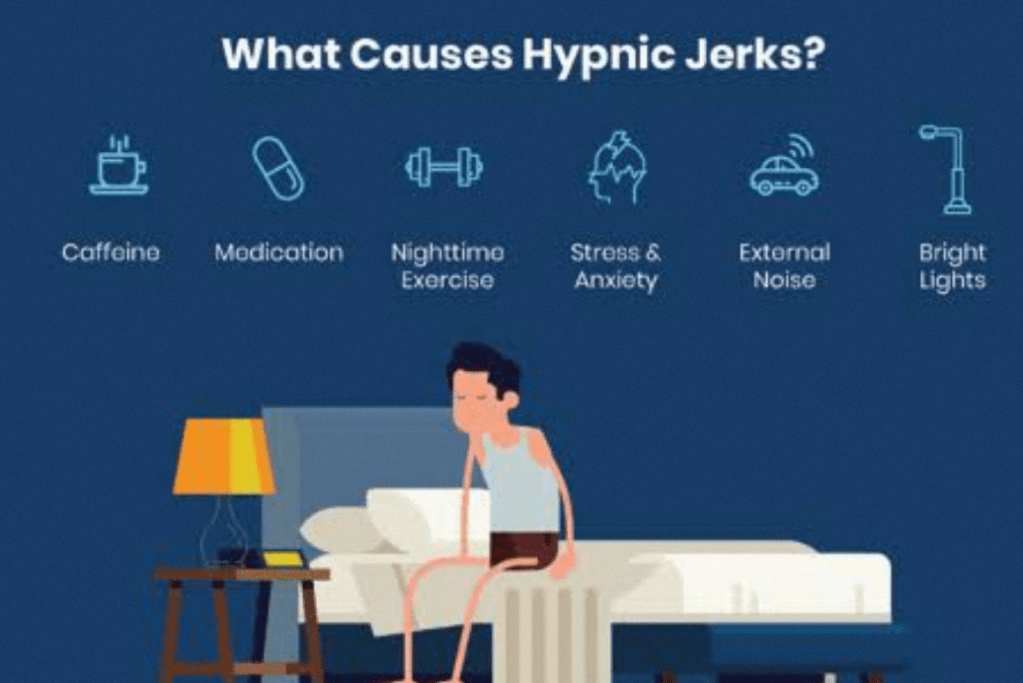
Exercising late in the evening: Exercising stimulates the body, so exercising late in the evening may make it more difficult for the body to relax in time for sleep. This excess stimulation may cause a hypnic jerk.
Consuming excess stimulants: Body and brain stimulants, such as caffeine, nicotine, or some drugs, may make falling asleep or staying asleep throughout the night difficult. They can also increase the frequency of hypnic jerks.
Stress and anxiety: A stressful lifestyle or feeling anxious quite often can make it difficult for the brain to relax in preparation for sleep. An alert brain is easier to startle, so a person is more likely to wake up when these involuntary muscle twitches occur.
Poor sleeping habits: Irregular sleep patterns, being sleep deprived or regular sleep disturbances may also lead to hypnic jerks
Have you ever thought how can someone start a family, when they are not being able to conceive a child?
Well, thanks to today’s advanced medicine and technology, anyone can have a baby and start a family.
Surrogacy has become quite common recently, with almost 1000-1500 births per year in the world.
Surrogacy is a legal arrangement in which a woman (the surrogate) agrees to bear a child for another person or couple who will become the child’s parent(s) after delivery. Surrogacy is an assisted reproduction procedure.
P. C. Google
Reasons for surrogacy
A surrogacy arrangement may be considered if:
a woman is unable to become pregnant because she has had a hysterectomy or is missing part of her uterus, ovaries or other parts of the genital tract
a woman has a health condition that makes pregnancy risky.
a same-sex couple wish to have a child using the sperm/egg of one or the other partner
a single man/woman wishes to have a child using his sperm/egg.
a woman dies with frozen embryos in storage and her male partner wishes to use the embryos to have a child.
P. C. Google
Methods
Surrogacy can be traditional or gestational, depending on the genetic origin of the egg. Traditional surrogacy is less prevalent than gestational surrogacy.
Traditional
A traditional surrogacy is one in which the surrogate’s egg is fertilised by the sperm of the intended father or a donor.
Insemination of the surrogate can be either through natural insemination or artificial insemination. Using the sperm of a donor results in a child who is not genetically related to the intended father. If the biological father’s sperm is used in the insemination, the resulting child is genetically related to both the intended father and the surrogate.
P. C. Google
Now, before we move onto gestational surrogacy, let’s have an overview about IVF.
IVF (In-viro fertilization)
In vitro fertilization (IVF) is a method of fertilization in which an egg is stored in a laboratory to fertilize with sperm (“in glass”). The procedure entails monitoring a person’s ovulation, taking an ovum or ova from their ovaries, and allowing the sperms to fertilize them in a laboratory culture medium. The fertilized egg (zygote) is put in the person’s uterus after embryo culture for 2–6 days, until it has at least 8 cells or the zygote becomes a blastocyst, with the goal of generating a viable pregnancy.
P. C. Google
Gestational
The first gestational surrogacy was achieved in April 1986. It takes place when an embryo created by in-vitro fertilization (IVF) is implanted in a surrogate. There are numerous types of gestational surrogacy, and the resulting kid is genetically unrelated to the surrogate in each case:
The embryo is created using the biological father’s sperm and the biological mother’s eggs;
The embryo is created using the biological father’s sperm and a donor egg;
The embryo is created using the biological mother’s egg and donor sperm;
A donor embryo is transferred to a surrogate.
P. C. Google
Surprising Facts About Surrogacy
The ideal surrogate has been pregnant before.
It’s quite expensive.
Surrogates go through a trial run before the real deal.
Carriers can be surrogates more than one time.
It’s done for medical reasons, not vanity.
A surrogate can be a friend or complete stranger.
You can choose the sex of your baby.
There’s no additional risk to the fetus during surrogacy.
Busted Myths!
Surrogacy is only for the wealthy or celebrities.
A woman will opt for surrogacy to save her figure or avoid pregnancy.
The surrogate may try to take on parental custody of the child.
Parents will have trouble bonding with their baby.
You don’t need a legal agreement to use a surrogate.
Who doesn’t love to participate in a quiz? BioSaga has come up with a set of weekly contests that will help you to gain more information but in a really interesting way! Click on this link to directly join the quiz and get a chance to be one among the top 3!
Who doesn’t love to participate in a quiz? BioSaga has come up with a set of weekly contests that will help you to gain more information but in a really interesting way! Click on this link to directly join the quiz and get a chance to be one among the top 3!
Hearts have become iconic symbols of Valentine’s Day but when it comes to hearts in the real world, one size doesn’t fit all — particularly in the animal kingdom. The human heart beats about 72 times a minute but in that same time, a hibernating groundhog’s heart beats just five times and a hummingbird’s heart reaches 1,260 beats per minute during flight.
What are the 4 main functions of the heart?
The four main functions of the heart are:
Pumping oxygenated blood to the other body parts.
Pumping hormones and other vital substances to different parts of the body.
Receiving deoxygenated blood and carrying metabolic waste products from the body and pumping it to the lungs for oxygenation.
Maintaining blood pressure.
DIFFERENT ANIMALS HAVE DIFFERENT TYPES OF HEARTS
1. FROGS
Frogs have a heart with just three chambers having two atria and one ventricle. In general, the heart takes deoxygenated blood from the body, sends it to the lungs to get oxygen, and pumps it through the body to oxygenate the organs. In humans, the four-chambered heart keeps oxygenated blood and deoxygenated blood in separate chambers but in frogs grooves called trabeculae keep the oxygenated blood separate from the deoxygenated blood in its one ventricle. Frogs can get oxygen not only from their lungs but also from their skin. The frog’s heart takes advantage of this evolutionary quirk as deoxygenated blood comes into the right atrium, it goes into the ventricle and out to the lungs and skin to get oxygen. The oxygenated blood comes back to the heart through the left atrium, then into the ventricle and out to the major organ. The shape of its heart is conical with thick muscular walls.
P. C. GOOGLE
2. EARTHWORM
Earthworm doesn’t have one heart. Instead, the worm has five pseudohearts that wrap around its oesophagus. These pseudohearts don’t pump blood but rather squeeze vessels to help circulate blood throughout the worm’s body. It also doesn’t have lungs but absorbs oxygen through its moist skin.
P. C. GOOGLE
3. ZEBRAFISH
Zebrafish can fully regenerate heart muscle just two months after 20 percent of their heart muscle is damaged. Humans can regenerate their liver and amphibians and some lizards can regenerate their tails but the zebrafish’s regenerative abilities make it a prime model to study heart growth.
P. C. GOOLGE
FACTS ABOUT HEART
• The average size of the human heart is the size of a fist in an adult.
• Our heart beats about 1,15,000 times each day.
• Our heart pumps about 2,000 gallons of blood every day.
• An electrical system controls the rhythm of our heart.
Who doesn’t love to participate in a quiz? BioSaga has come up with a set of weekly contests that will help you to gain more information but in a really interesting way! Click on this link to directly join the quiz and get a chance to be one among the top 3!
Do you know what is the most important and complex organs in the human body? It is our ‘Brain‘.
Human brains are much more advanced and efficient and have more raw computing powers than the most impressive supercomputers ever built.
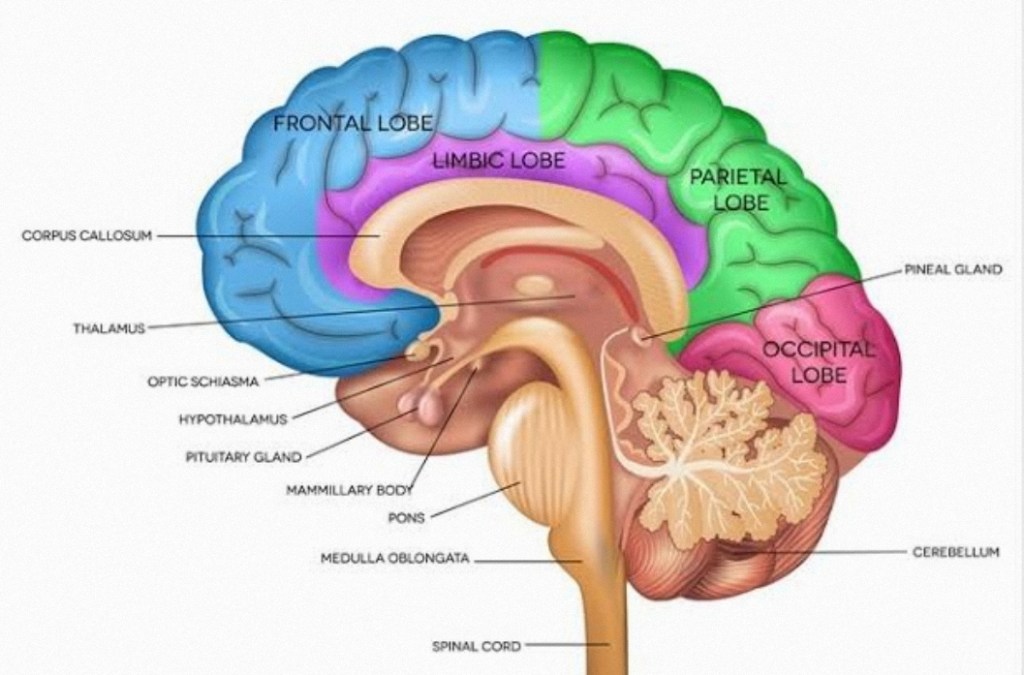
What is Pituitary Gland?
The pituitary gland, also known as the ‘Master Gland’, is a small pea-sized gland which plays a major role in regulating our vital body functions and general wellbeing. It controls the activity of most other hormone-secreting glands which means that it tells other organs to release hormones. Without this gland, the body wouldn’t reproduce, wouldn’t grow properly and many other bodily functions just wouldn’t occur effectively.
P. C. GOOGLE
What is the brain?
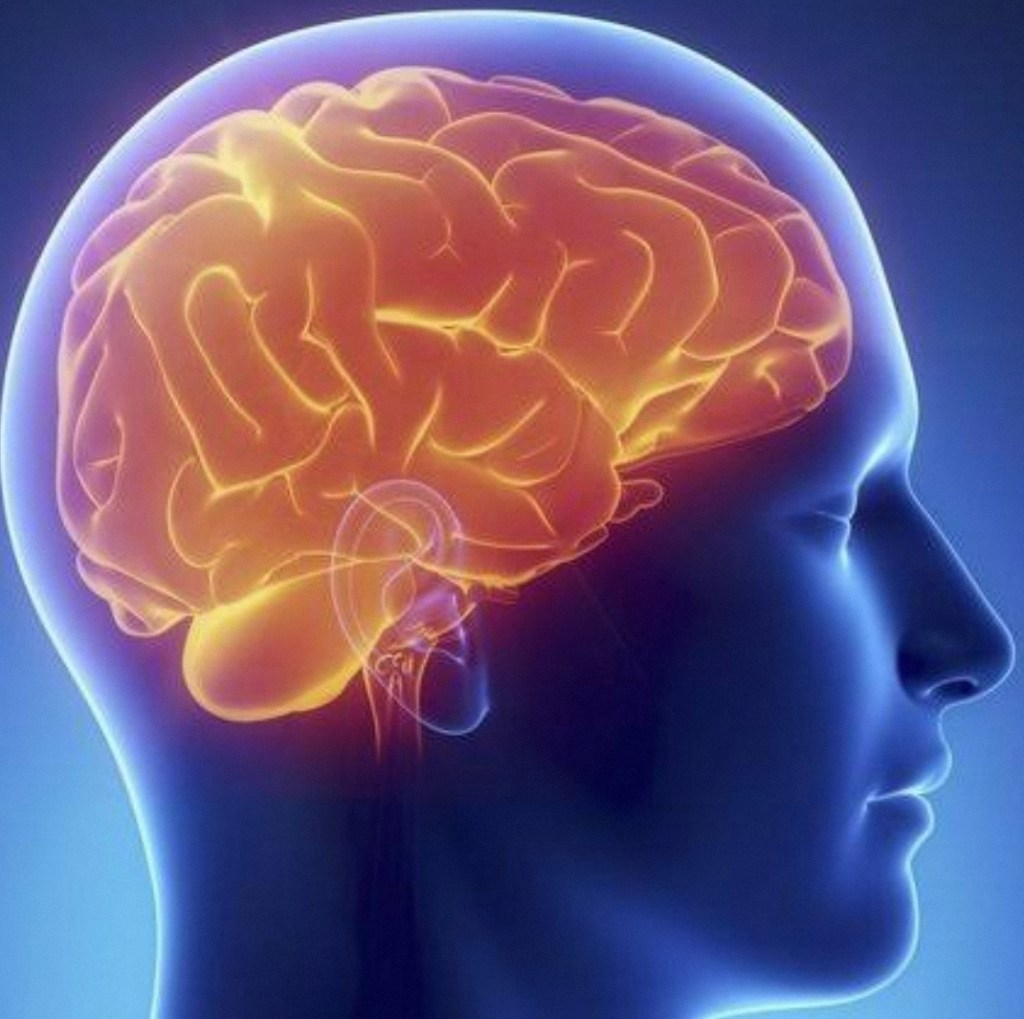
The brain is an amazing 3 pounds organ which is our seat of intelligence, controls all our body functions, intellectual abilities, behavior and reactions. It receives messages via the neurons, interprets them and instructs our body how to react.
P. C. GOOGLE
What helps in transmitting messages to the brain?
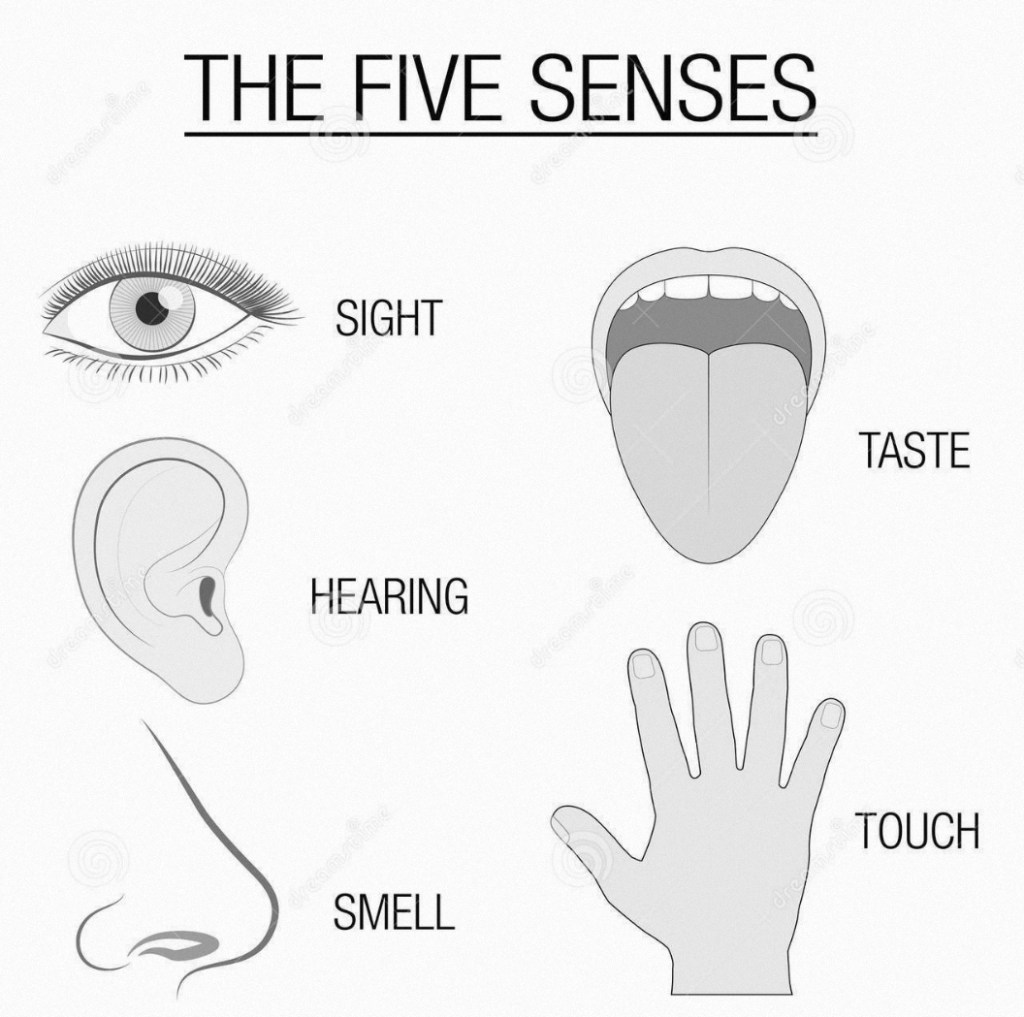
Our five sense organs, i. e. our eyes, nose, ears, tongue and skin send various information to the brain and neurons help in transmitting these messages.
P. C. GOOGLE
Where is the brain present?
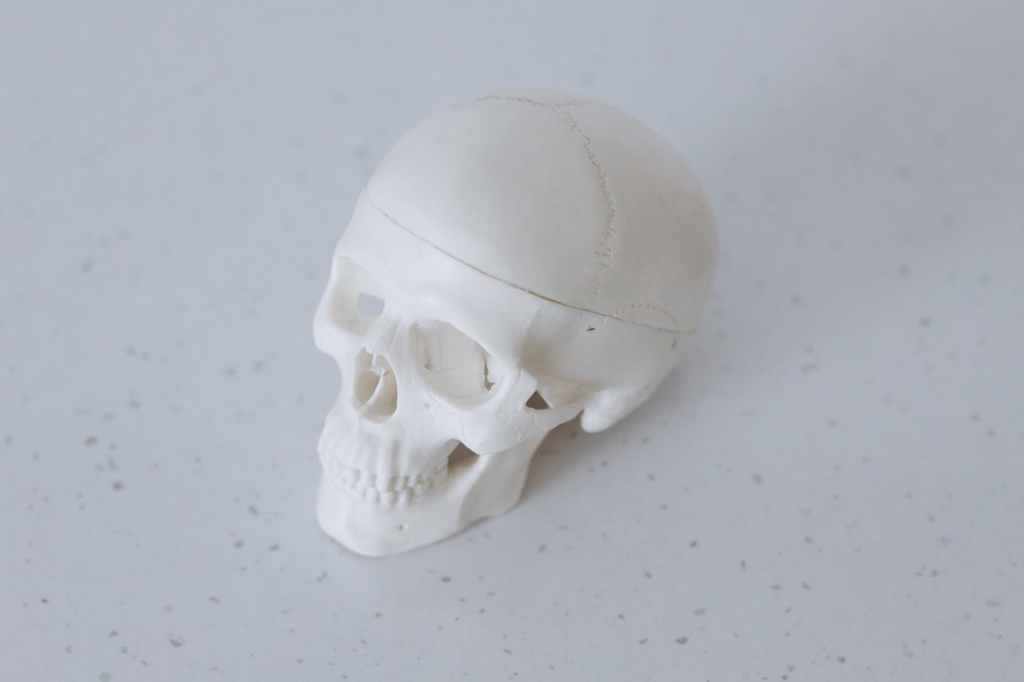
The brain is present inside the bony covering called cranium which protects the brain from injuries. This cranium and the bones that protect our brain, are together known as the skull.
P. C. FREE PHOTO LIBRARY
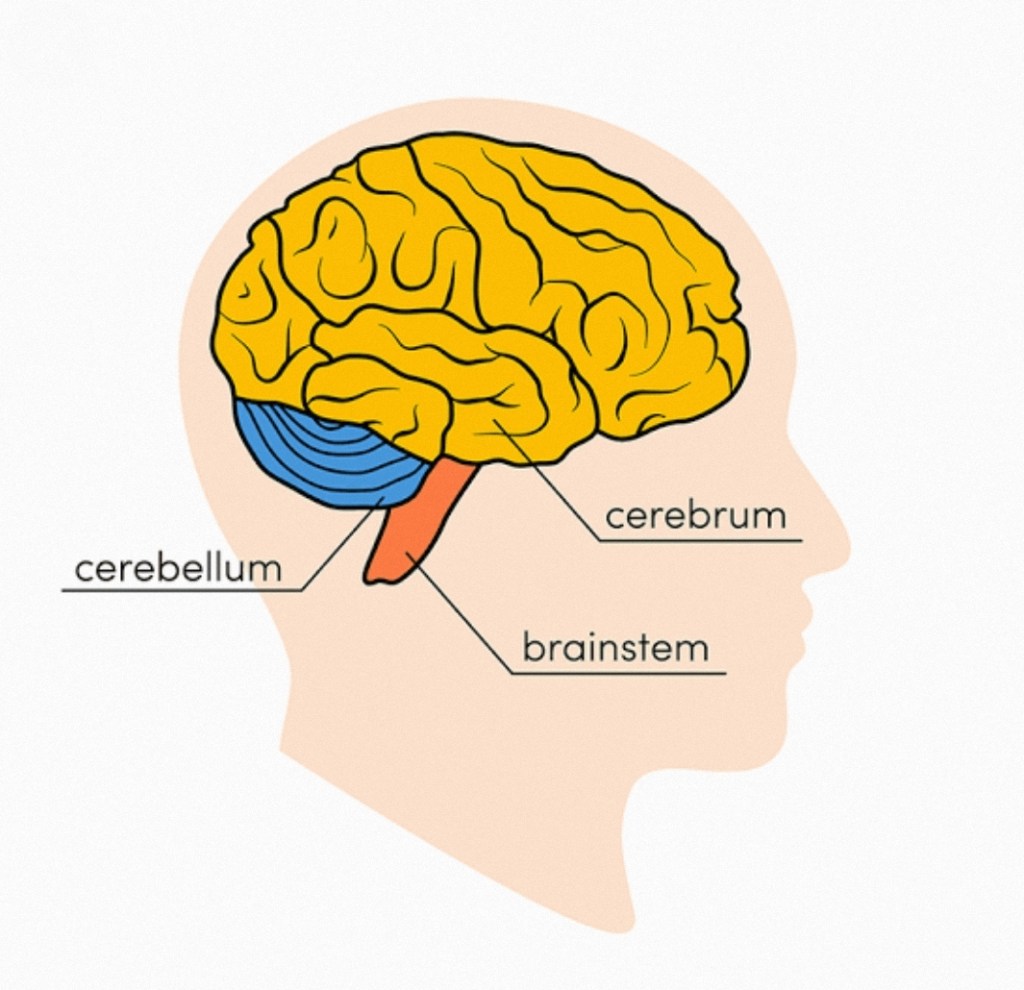
What are the main parts of the brain?
There are 3 mains parts of the brain.
Cerebrum- The cerebrum takes up most of the space in the skull. It helps in remembering things, solving problems, thinking and feeling. It also controls our movement.
Cerebellum- It is present at the back of our head under the cerebrum. It controls our coordination and balance.
Brain stem- It is located beneath the cerebrum and in from of the cerebellum. It connects the brain to the spinal cord and controls automatic functions such as breathing, digestion, heart rate and blood pressure.
P. C. GOOGLEANATOMY OF THE HUMAN BRAIN (its various parts)
P. C. GOOGLE
How much does the brain weigh?
The adult human brain has an average weight of about 1.2–1.4 kg (2.6–3.1 lb) which is about 2% of the total body weight, with a volume of around 1260 cm cube in men and 1130 cm cube in women.
What is IQ?
IQ is a type of standard score that indicates how far above or how far below his/her peer group an individual stands in mental ability. The peer group score is an IQ of 100;l and this is obtained by applying the same test to huge numbers of people from all socio- economic strata of society and calculating its average.
Here’s a list of 10 most intelligent people on Earth: (this list is not exhaustive)
1. Isaac Newton
2. Aryabhatta
3. Galileo Galilei
4. Thomas Alva Edison
5. Leonardo Da Vinci
6. Stephen Hawking
7. Terence Tao
8. Christopher Langan
9. Kim Ung- Yong
10. Judit Polgar
Injuries on the left side of the brain can cause:
• Difficulties in understanding language
• Difficulties in speaking or verbal output
• Catastrophic reactions ( like depression, anxiety)
• Verbal memory deficits
• Impaired logic
• Sequencing difficulties
• Decreased control over right-sided body movements
Injuries on the right side of the brain can cause:
• Visual-spatial impairment
• Visual memory deficits
• Left neglect (inattention to the left side of the body)
• Decreased awareness of deficits
• Altered creativity and music perception
• Loss of “the big picture” type of thinking
• Decreased control over left-sided body movements
What is brain death?
Brain death, which is also known as brain stem death, occurs when the brain of a person, who is on an artificial life support, can no longer perform any functions. No one can recover from brain death and a person who is brain dead is legally confirmed as dead.
What is gray matter in the brain?
Most of the neuronal cell bodies of the brain are present in the gray matter. The gray matter includes regions of the brain which are involved in muscle control and activities such as seeing, hearing, memory, speech, emotion, decision making and self- control. The gray matter, which is present throughout the central nervous system, enables individuals to control movement, memory and emotions.
Alongside humans, some other animals which are quite intelligent include:
1. Ravens and crows
2. Chimpanzees
3. Elephants
4. Gorillas
5. Dolphins
6. Pigs
7. Octopuses
8. Parrots
9. Dogs
10. Raccoons
What is ‘Awake Brain Surgery’?
Awake brain surgery is also known as ‘Awake Craniotomy’. As the name suggests, it is a type of surgery performed on the brain while the patient is awake and alert. If a surgery is to be performed in that region of the brain which is close to the part controlling vision, movement and speech, then awake brain surgery is opted for. During the surgery, the surgeon may ask questions and monitor the activities of the patient, so as to ensure that the correct region of the brain is receiving the surgery. It also lowers the risk of any damage occuring to the functional areas of the brain which control movement, vision and speech.
The patient is sedated while a part of the skull is being removed in the beginning of the surgery and also when doctors reattach the skull at the end of the surgery. During the surgery, the anesthesiologist will stop administering the sedative medications and allow the patient to wake up.
Like most other brain surgeries, awake brain surgery has the potential for risks and complications. These include bleeding, brain swelling, infection, brain damage or death. However, awake brain surgeries may help to safely reduce the size of growing brain tumors, which may prolong life and improve the quality of life.
Fun facts about the brain:
• About 75% of the brain is made up of water.
• The human brain consists of approximately 100 billion neurons.
• The brain can interpret pain signals sent to it but it can’t feel pain.
• When we reach our middle age, the brain starts getting smaller as the years pass.
• During the mummification process, Egyptians used to remove the brains through the nose.
• The brain uses 20% oxygen and blood of our body.
• 60% of the human brain made up of fat.
• Our brain is not fully developed until we are 25 years old.
• Information travels to and from the brain at a speed of 258 miles per hour.
• The human brain can generate 23 watts of power which is enough to power a light bulb.
“Happiness is waking up, looking at the clock and finding that you still have two hours left to sleep.”
Charles M. Schulz, American Cartoonist
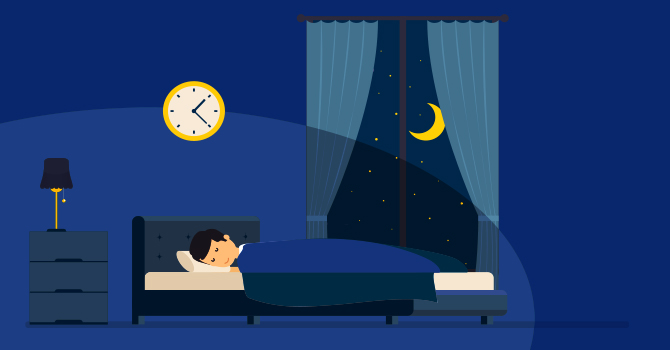
What do we all want to do after a good day’s work? Yes. We want to have a good night’s sleep!
Sleep is an important part of our daily routine. We spend one-third of our life sleeping. Sleep, is as essential as food and water in our life.
But, have you ever wondered why we sleep? Why is it such an important requirement?
Let’s dive into it right away!
Humans are a diurnal species, which means we are programmed to be active during the day and sleep during the night. Chronotype is a term that refers to the genetic and behavioural components affecting what time you go to sleep. Chronotypes can be divided into two types: Early birds and Night owls. Early birds prefer morning hours for intellectual and physical activity and night owls sleep late and are more active in the evening. But studies have proved that early birds are more intelligent and productive compared to night owls.
P. C. GOOGLE
THE 4 STAGES OF SLEEP
Now, there are 2 basic types of sleep: Non-REM (Non-Rapid Eye Movement) sleep and REM (Rapid Eye Movement) sleep.
The first three stages are a part of Non- REM sleep. The fourth stage is a part of REM sleep.
Stage 1: During this short period of time, (around 1- 5 minutes) you have just dozed off, your heartbeat, breathing, and eye movements slow, and your muscles relax with occasional twitches. You will observe that your brain starts to slow down from their daytime wakefulness patterns.
Stage 2: This is a period of light sleep. Your heartbeat and breathing slow, and muscles relax even further. Your body temperature drops and eye movements stop. Brain wave activity slows.
Waking someone up is easier in the first two stages of the sleep cycle.
Stage 3: The deepest part of Non-REM sleep can be seen in Stage 3. It is characterised of the phase of deep sleep that requires one to be refreshed from. It is the period of sleep that you need to feel refreshed in the morning. It occurs in longer periods during the first half of the night. The breathing and heartbeat go to their lowest levels during sleep. Your muscles are relaxed and it may be difficult to awaken you. Brain waves become even slower. It is assumed that deep sleep plays a vital role in recuperation of the body as well as effective memory and thinking.
Stage 4: The sole stage of REM sleep can be seen in Stage 4. It first appears around 90 minutes after one falls asleep. Your eyes move rapidly from side to side behind closed eyelids. Mixed frequency brain wave activity becomes closer to that seen in wakefulness. Breathing becomes irregular and faster, and the blood pressure and heart rate reach to near waking levels. Most of your dreaming occurs during REM sleep, although some can also occur in non-REM sleep. Your arm and leg muscles become temporarily paralyzed, which prevents you from acting out your dreams. Sleeping in the REM time lessens as you age. Memory consolidation most likely requires both non-REM and REM sleep.
As the night passes, it is usual to spend more percentage of time in REM sleep, with most of the dreams occurring during the later half of the night.
P. C. GOOGLE
Sleep Mechanisms
Sleep is regulated by two primary factors in the body: sleep-wake homeostasis and the circadian alerting system.
Sleep-wake homeostasis: This precise word reflects something that most of us know intuitively: the longer you are awake, the more you feel the desire to sleep. This is due to the homeostatic sleep drive, the body’s self-regulating system that builds up pressure to sleep dependent on how long you’ve been awake. After a time of insufficient sleep, this same impulse causes you to sleep longer or more deeply.
The circadian alerting system: Circadian rhythms, which are part of your body’s internal clock, last approximately 24 hours and play an important role in a variety of biological activities, including sleep. The most significant influence on circadian rhythms is light exposure, which encourages wakefulness during the day and sleepiness at night.
Dreaming
Everyone has a dream. You spend roughly 2 hours each night dreaming, although you may not remember the most of them. Its precise purpose is unknown; however dreaming may assist you in processing your emotions. Events from the day frequently intrude your thoughts while you sleep, and people who are stressed or anxious are more prone to experience frightening dreams. Dreams can occur at any stage of sleep, although they are most vivid during REM sleep. Some people remember their dreams in colour, while others only remember their dreams in black and white.
P. C. GOOGLE
Chemicals and hormones related to sleep
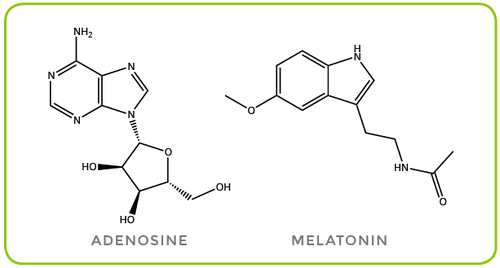
When we are awake; a substance called adenosine accumulates and appears to enhance sleep pressure. Caffeine, on the other hand, lowers adenosine, which could explain why it promotes wakefulness in part.
Melatonin, a hormone that promotes sleep and is naturally created as light exposure diminishes, is one of the most well-known sleep hormones.
P. C. GOOGLE
How much sleep do we need?
Babies can sleep up to 16 to 18 hours per day at start, which can help with growth and development (especially of the brain). School-age children and teenagers require approximately 9.5 hours of sleep per night. Most adults require 7-9 hours of sleep every night, however after the age of 60, nocturnal sleep becomes shorter, lighter, and more frequently disrupted by many awakenings. Elderly persons are also more likely to take sleep-interfering drugs.
Fun facts about sleep:
• Most old people are likely to dream in black and white.
• The longest time for which someone has gone without sleep is 11 days, 25 minutes.
• Elephants sleep less than any other animal.
• Humans are the only mammals who fall asleep late on their own will.
• Sleeping on your front can help in efficient digestion.
Why is salt considered as a poison for leeches? Whenever we see a leech on anyone’s body, first thing that we think of is the advice we had got, to sprinkle some salt on the leech…but have to ever thought that why do we sprinkle salt?
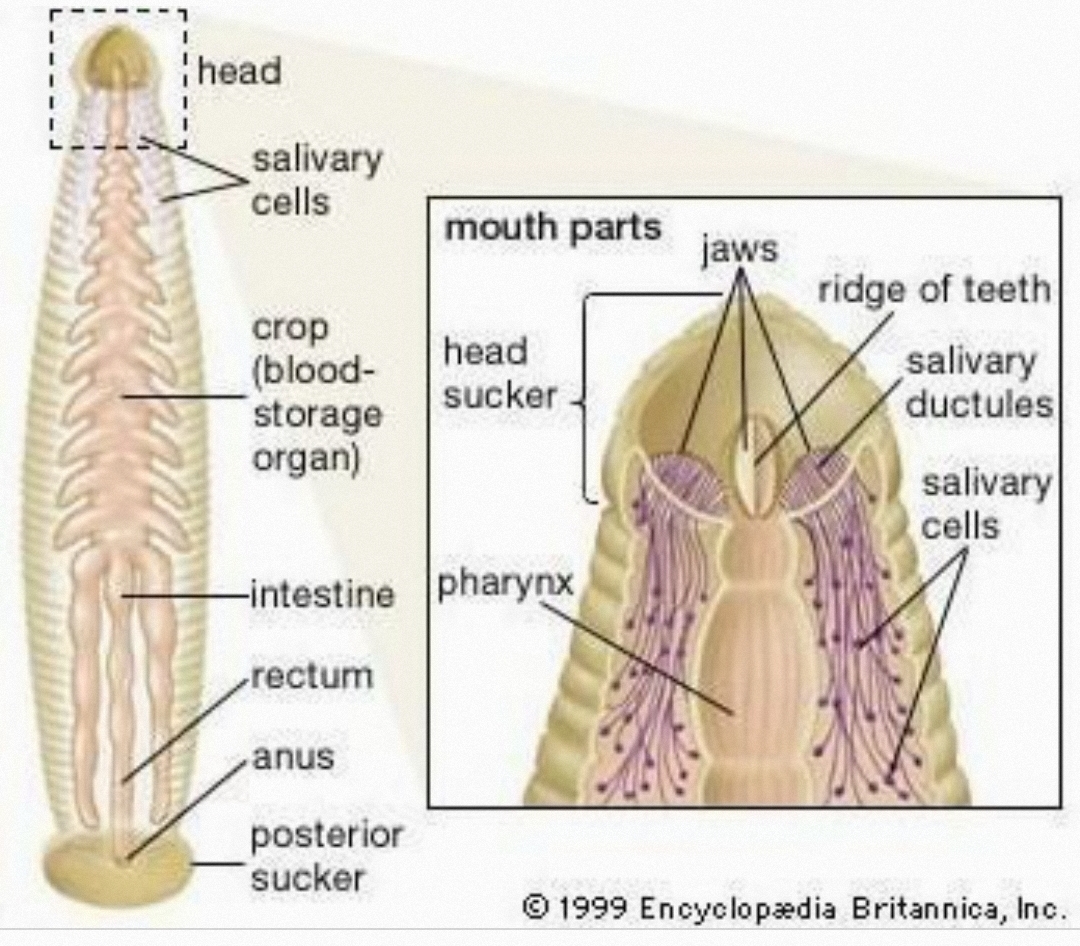
People have been using salt for years to preserve food because of its ability to draw water out of cell membranes. This is why salt is so damaging to leeches. It does the same thing to leeches also. The body of leeches is made with 80% water that is covered with a porous skin. With its porous and sponge-like body it can absorb our blood and many other things like salts. So, when we sprinkle salt on leeches then the salt gets in through the porous membrane and mixes with the water in their body. Then slowly all the water in their body gets salty and they can not survive with salty water so they throw out the water of their body . And eventually they die due to dehydration because of the occurrence of exosmosis.
P. C. GOOGLEP. C. GOOGLEP. C. GOOGLE
So now you know the reason why you were told to put salt on leeches:)
FUN FACT ABOUT LEECHES:
1)They are also used by doctor to treat blood clot.
2)Leeches have suckers on both ends of their body for sucking blood. Most species have three jaws equipped with small, sharp teeth. Their teeth are even able to pierce thick skin of a hippopotamus.
3)Leech has 32 brains. The internal structure is segregated into 32 separate segments and each of these segments has its own brain.
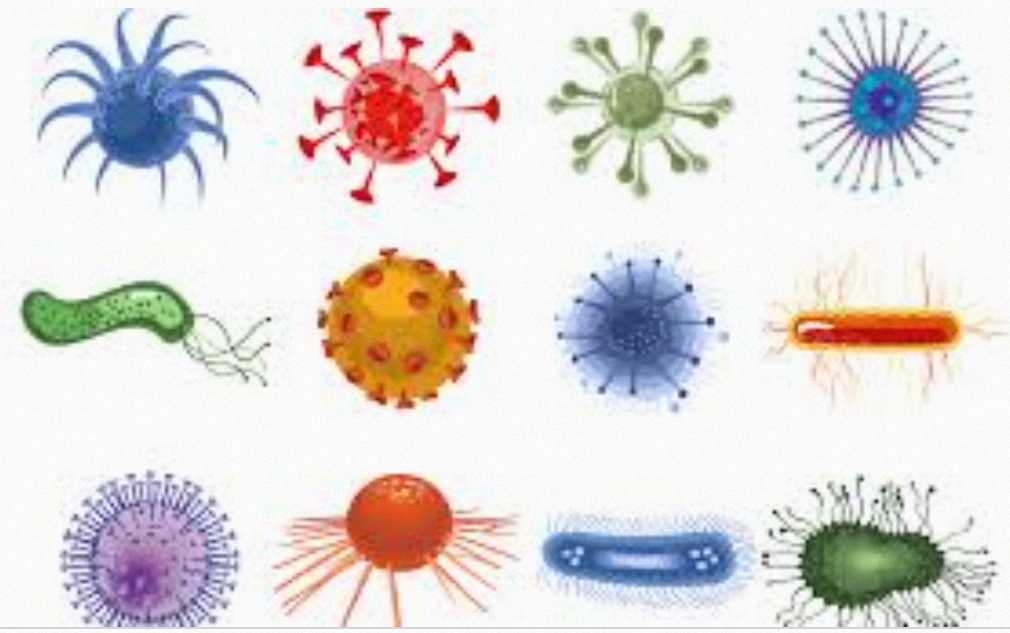
Do you know what causes chickenpox, cholera or common cold? All these diseases, including many others, are caused by microbes.
What are microbes?
Microbes are organisms which are too tiny to be seen with naked human eyes. They can only be seen by an instrument called microscope. They are also known as microorganisms.
How many types of microbes are there?
There are mainly 5 types of microbes. They are:
• Bacteria
• Algae
• Fungi
• Protozoa
• Viruses
What are bacteria?
Bacteria are small, unicellular organisms which are the simplest of all living organisms found around us. The human body is full of bacterial cells. Most of them are harmless but few bacteria can cause diseases such as cholera, diarrhoea and tuberculosis.
P. C. TENOR
Some examples of bacteria are Cyanobacteria, E. coli, etc.
Types of bacteria:
There are 4 types of bacteria based on their shape. They are:
• Spirilla
• Cocci
• Bacilli
• Vibrio
Starting clock wise from extreme left, we have: Spirilla, Cocci, Bacilli, Vibrios
P. C. GOOGLE SEARCH
What are algae?
Algae are simple plant- like organisms. They possess chlorophyll and have cell walls around their cells, just like plant cells. They are found in water bodies like ponds, rivers, etc. They are aquatic in nature. They can be unicellular or multicellular. Harmful algae in food causes diseases like Paralytic Shellfish Poisoning, Neurotoxic Shellfish Poisoning, etc. Some examples of algae are Spirogyra, Chlamydomonas, etc.
Algae
P. C. GOOGLE SEARCH
What are fungi?
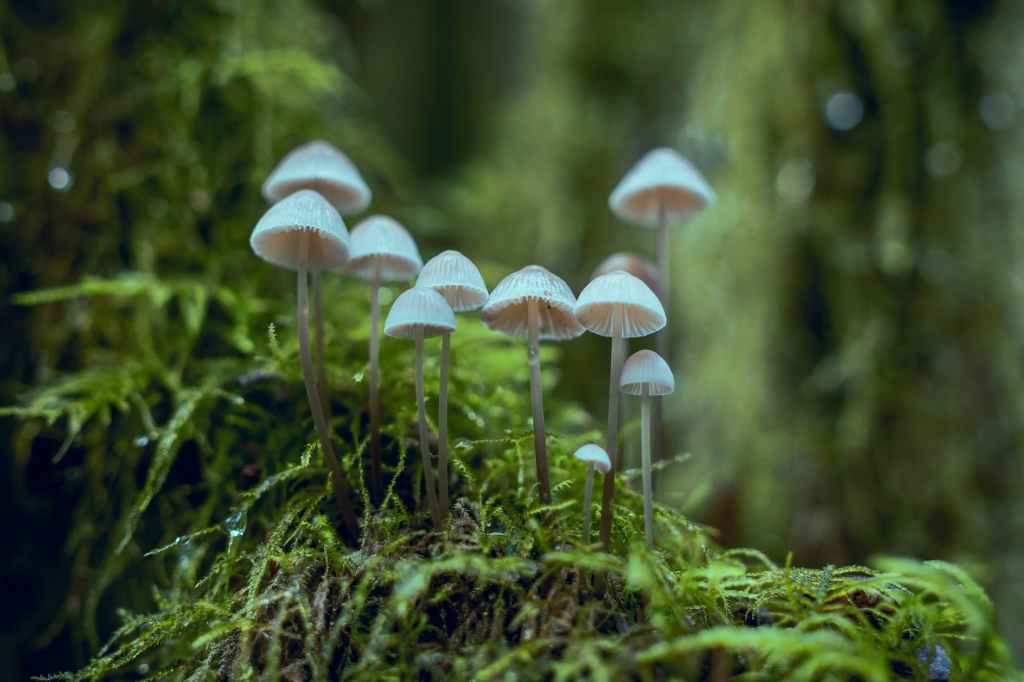
Fungi are non- green organisms with bodies usually made up of thread- like structures called hyphae. They lack chlorophyll and have cell walls different from plant cell walls. Fungi have complex eukaryotic cells like animals and plants. They are usually found in warm and moist places. They cause diseases like ringworm and fungal pneumonia. Some examples of fungi are Rhizopus, Agaricus, etc.
Fungi
P. C. FREE PHOTO LIBRARY
What are protozoa?
Protozoa is a group of single-celled eukaryotes, that feed on soluble organic matter such as other organisms. They are heterotrophic in nature and can move around to capture food. They lack chlorophyll and cell walls. They cause diseases like malaria.
P. C. TENOR
Some examples of protozoa are Paramecium, Trypanosoma, Amoeba, etc.
Protozoa
P. C. GOOGLE SEARCH
What are viruses?
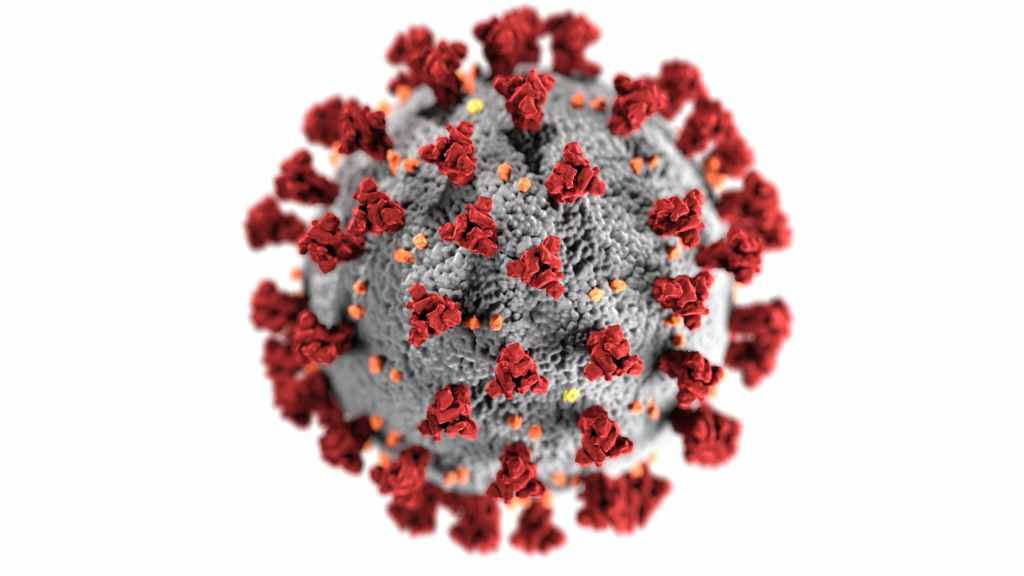
Viruses are extremely tiny organisms which can only be observed by electron microscopes. They lie on the borderline between a living and a non- living organism. They reproduce and carry out other life sustaining activities only inside the body of a host, otherwise it doesn’t show any activity and behaves like a non- living organism. They cause diseases like chickenpox, dengue, common cold, poliomyelitis, etc. Some examples of viruses are hepatitis virus, polio virus etc.
Virus
P. C. FREE PHOTO LIBRARY
In order to protect ourselves from diseases caused by microbes, we must take some preventive measures.
• We should take the vaccine for diseases like chickenpox, cholera, poliomyelitis, etc.
• We should try to avoid close contact with people who are unwell.
• We should clean surfaces that are touched often, mostly by outsiders, like doorbells, etc.
• We should avoid having contaminated food and water.
• We should wash our hands frequently and practice proper sanitation and hygiene.
These measures will protect us from various diseases but other than that, we should also exercise regularly in order to lead a healthy life. Always remember that health is wealth!
Time for some interesting facts about microbes!
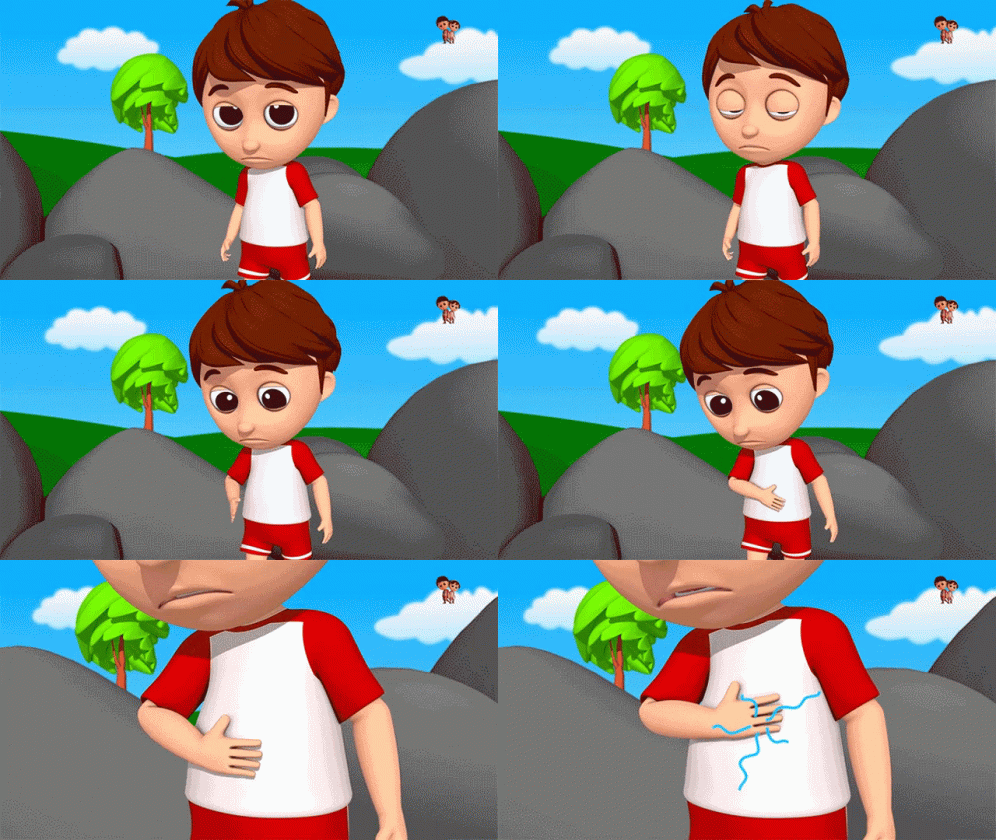
• There are around 1,458 bacteria in your belly button.
• All the bacteria in our body collectively weigh more than 4 pounds.
• There are more bacteria present in a person’s mouth as compared to the population of the entire world.
• Microbes generate at least 50% of the oxygen we breathe.
• Anton Van Leeuwenhoek was the first scientist to observe and study microbes.
• The smallest known bacteria, Mycoplasma, were earlier thought to be viruses.
• In 1918 more people died from the influenza virus than in the First World War.
• Each square centimeter of our skin averages about 100,000 bacteria.
• Microbes present at the bottom of the ocean eat sulphur.
• Microbes evolved about three and a half billion years ago.

















 BioSaga