
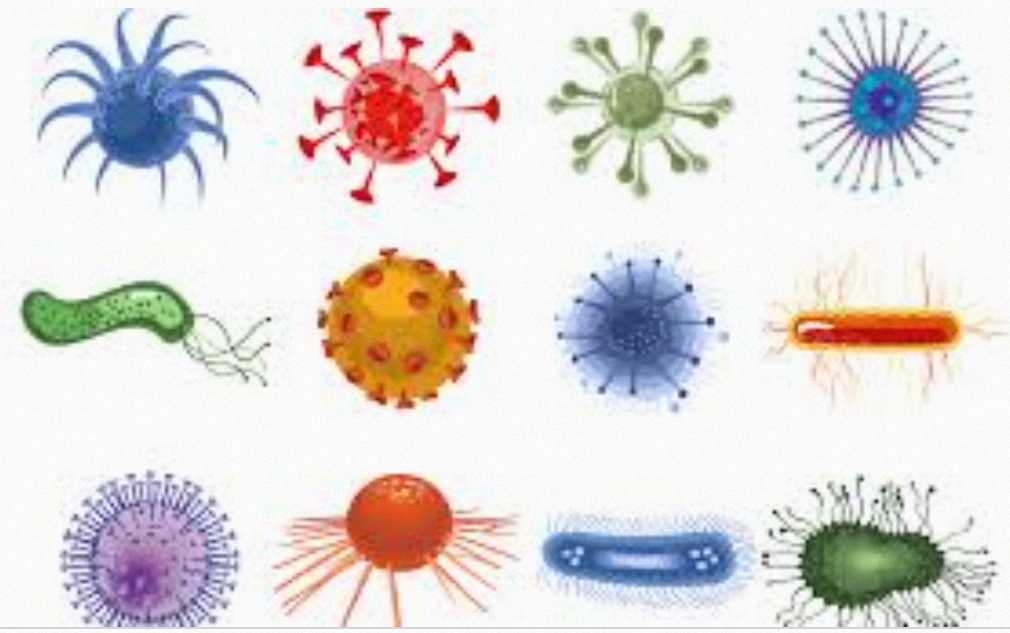
Do you know what causes chickenpox, cholera or common cold? All these diseases, including many others, are caused by microbes.
What are microbes?
Microbes are organisms which are too tiny to be seen with naked human eyes. They can only be seen by an instrument called microscope. They are also known as microorganisms.
How many types of microbes are there?
There are mainly 5 types of microbes. They are:
• Bacteria
• Algae
• Fungi
• Protozoa
• Viruses
What are bacteria?
Bacteria are small, unicellular organisms which are the simplest of all living organisms found around us. The human body is full of bacterial cells. Most of them are harmless but few bacteria can cause diseases such as cholera, diarrhoea and tuberculosis.
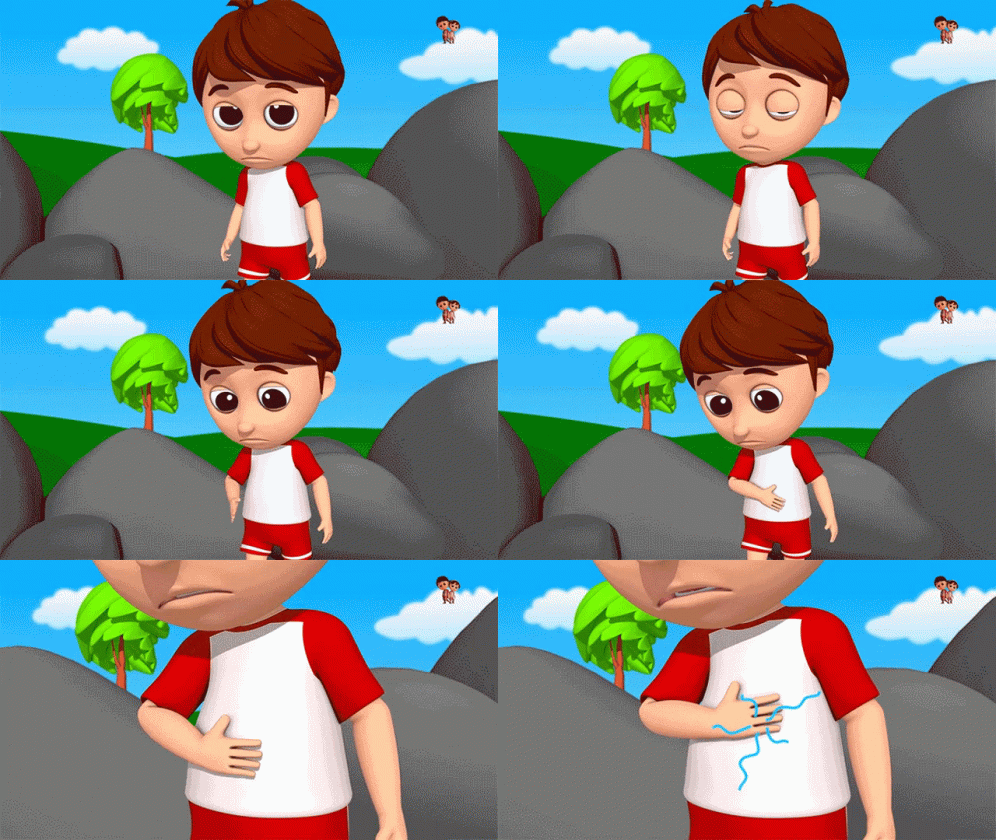
Some examples of bacteria are Cyanobacteria, E. coli, etc.
Types of bacteria:
There are 4 types of bacteria based on their shape. They are:
• Spirilla
• Cocci
• Bacilli
• Vibrio

P. C. GOOGLE SEARCH
What are algae?
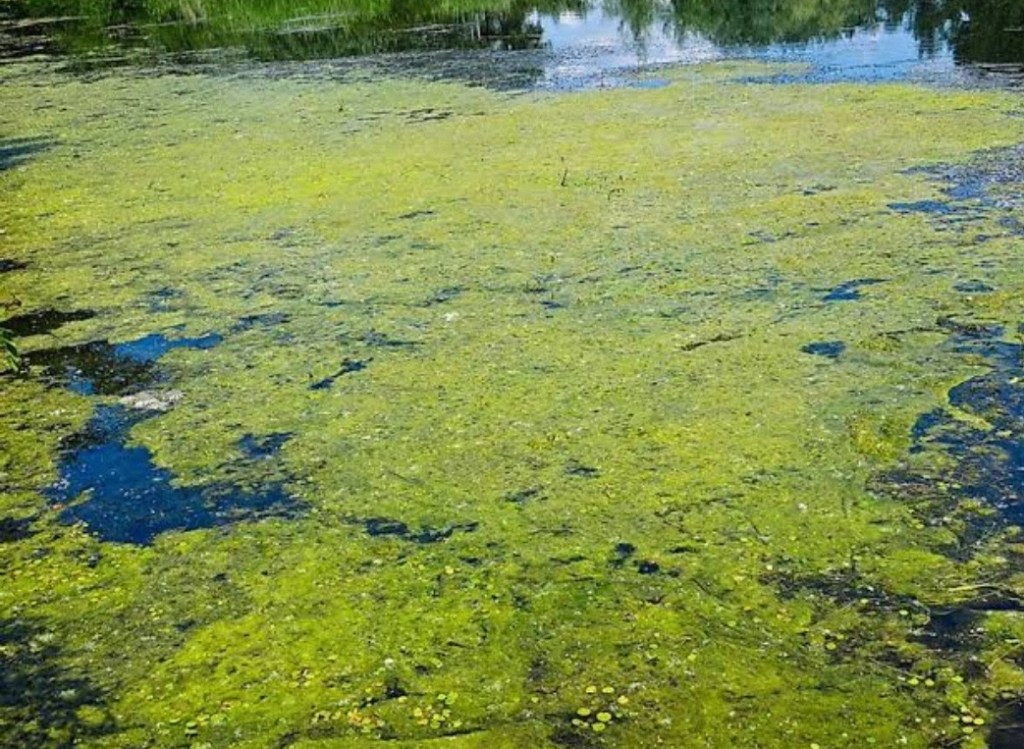
Algae are simple plant- like organisms. They possess chlorophyll and have cell walls around their cells, just like plant cells. They are found in water bodies like ponds, rivers, etc. They are aquatic in nature. They can be unicellular or multicellular. Harmful algae in food causes diseases like Paralytic Shellfish Poisoning, Neurotoxic Shellfish Poisoning, etc. Some examples of algae are Spirogyra, Chlamydomonas, etc.
P. C. GOOGLE SEARCH
What are fungi?
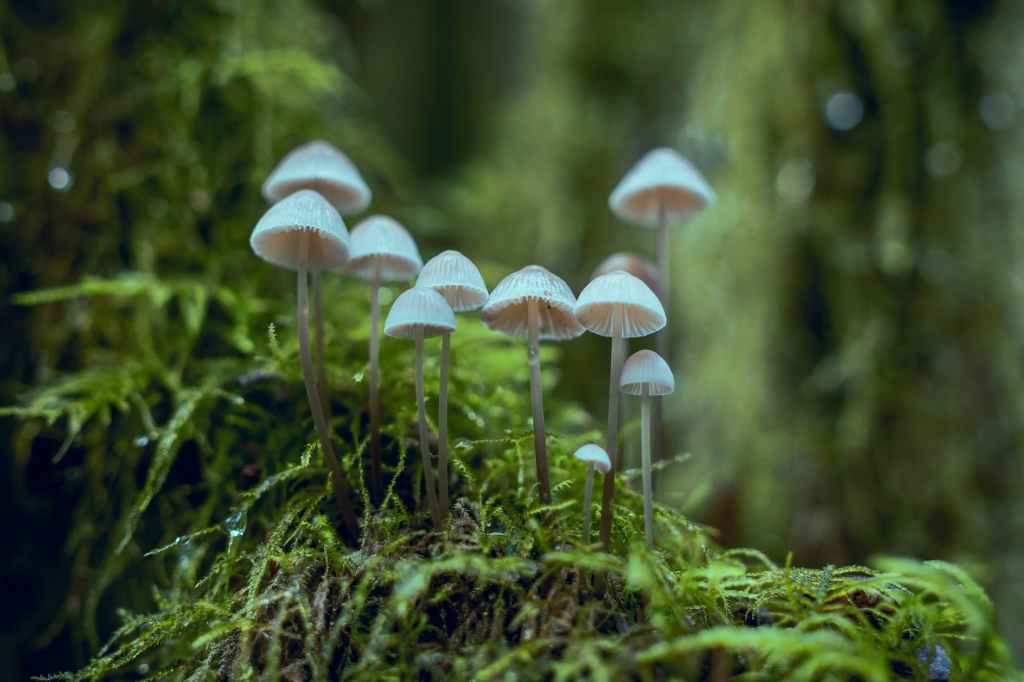
Fungi are non- green organisms with bodies usually made up of thread- like structures called hyphae. They lack chlorophyll and have cell walls different from plant cell walls. Fungi have complex eukaryotic cells like animals and plants. They are usually found in warm and moist places. They cause diseases like ringworm and fungal pneumonia. Some examples of fungi are Rhizopus, Agaricus, etc.
P. C. FREE PHOTO LIBRARY
What are protozoa?
Protozoa is a group of single-celled eukaryotes, that feed on soluble organic matter such as other organisms. They are heterotrophic in nature and can move around to capture food. They lack chlorophyll and cell walls. They cause diseases like malaria.
Some examples of protozoa are Paramecium, Trypanosoma, Amoeba, etc.

P. C. GOOGLE SEARCH
What are viruses?
Viruses are extremely tiny organisms which can only be observed by electron microscopes. They lie on the borderline between a living and a non- living organism. They reproduce and carry out other life sustaining activities only inside the body of a host, otherwise it doesn’t show any activity and behaves like a non- living organism. They cause diseases like chickenpox, dengue, common cold, poliomyelitis, etc. Some examples of viruses are hepatitis virus, polio virus etc.
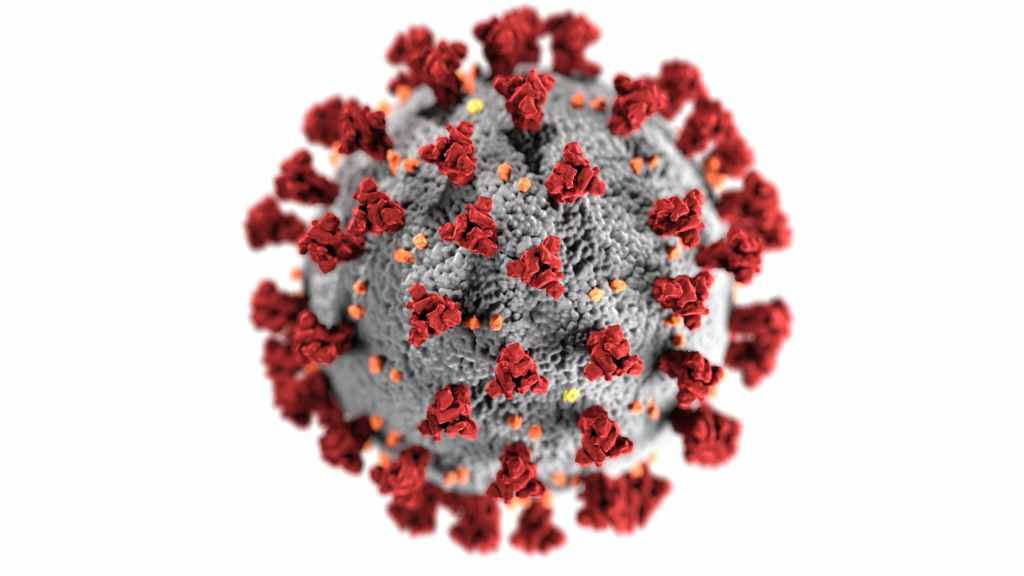
P. C. FREE PHOTO LIBRARY
In order to protect ourselves from diseases caused by microbes, we must take some preventive measures.
• We should take the vaccine for diseases like chickenpox, cholera, poliomyelitis, etc.
• We should try to avoid close contact with people who are unwell.
• We should clean surfaces that are touched often, mostly by outsiders, like doorbells, etc.
• We should avoid having contaminated food and water.
• We should wash our hands frequently and practice proper sanitation and hygiene.
These measures will protect us from various diseases but other than that, we should also exercise regularly in order to lead a healthy life. Always remember that health is wealth!
Time for some interesting facts about microbes!
• There are around 1,458 bacteria in your belly button.
• All the bacteria in our body collectively weigh more than 4 pounds.
• There are more bacteria present in a person’s mouth as compared to the population of the entire world.
• Microbes generate at least 50% of the oxygen we breathe.
• Anton Van Leeuwenhoek was the first scientist to observe and study microbes.
• The smallest known bacteria, Mycoplasma, were earlier thought to be viruses.
• In 1918 more people died from the influenza virus than in the First World War.
• Each square centimeter of our skin averages about 100,000 bacteria.
• Microbes present at the bottom of the ocean eat sulphur.
• Microbes evolved about three and a half billion years ago.
Sumedha Bose
©BioSaga 2021
Featured Image Courtesy: Google Search
 BioSaga
very good and informative as well. Wanted to know more about Biological Facts. All the best.
LikeLiked by 1 person
Thank you ma’am. We will definitely add more content to it.
LikeLike